
Skin barrier health: the foundation of calm, resilient skin
As the founder and formulator behind Love and Light Botanicals, I spend a lot of time studying how skin actually functions, both in the lab and in real life routines. I believe deeply in leading with research over hype so people can make informed choices that support long-term skin wellness.
The skin barrier is a topic I return to often, because it quietly influences nearly everything we experience with our skin.[1] Hydration, sensitivity, comfort, glow, and how skin responds to change over time all trace back to barrier health.
When the barrier is supported, skin feels more predictable and balanced. When it is stressed, even thoughtfully chosen products can start to feel off.
If your skin feels reactive, dry yet oily, or suddenly sensitive to products that once felt fine, understanding the barrier often brings clarity to what is happening beneath the surface.
What is the skin barrier?
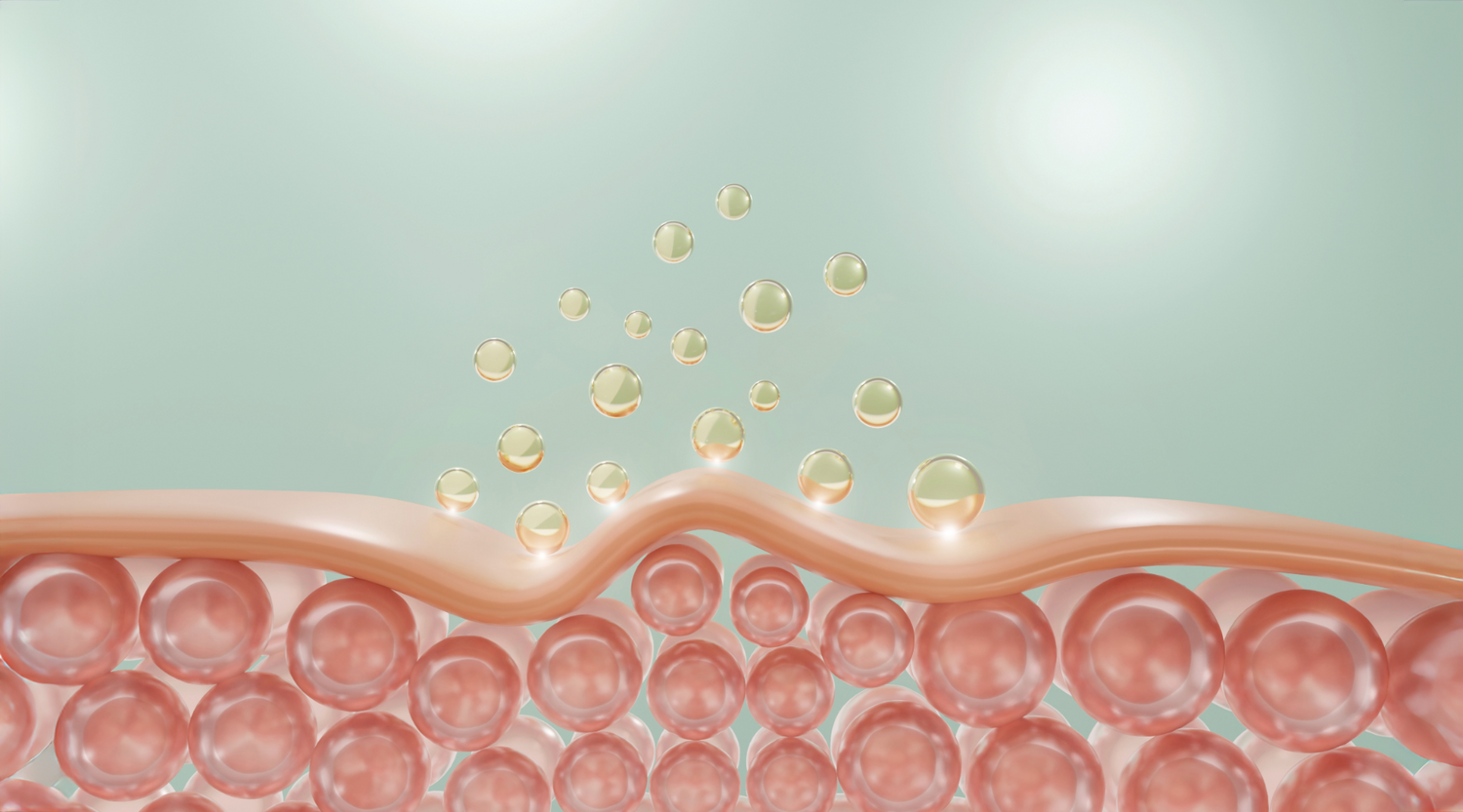
The skin barrier refers primarily to the outermost layer of the skin, known as the stratum corneum. This layer is made up of flattened skin cells held together by a precise mixture of lipids, mainly ceramides, cholesterol, and fatty acids.
A helpful way to visualize it is the brick-and-mortar model. The skin cells act as the bricks, while the lipids form the mortar that holds everything together.
This structure allows the skin to do three essential jobs:
- Retain moisture
- Defend against environmental stress
- Maintain balance within the skin ecosystem
When this system is functioning well, skin feels comfortable, hydrated, and resilient. When it is disrupted, even simple steps can start to feel challenging.
Signs your skin barrier needs support
How do you know if your skin barrier needs support?
A stressed barrier does not always show up dramatically. More often, it shows up as subtle discomfort or inconsistency.
Common signs include:
-
Tightness or discomfort after cleansing
Increased redness or sensitivity - Stinging when applying products that once felt fine
- Flakiness paired with oiliness
- Skin that feels dry no matter how much moisturizer you apply
These signals are not a call for stronger products. They are your skin asking for support and simplification.
What weakens the skin barrier?
Barrier stress usually builds gradually. It is rarely caused by one single product.
Common contributors include:
- Over-cleansing or the use of harsh surfactants
- Frequent exfoliation or repeated use of strong actives
- Low humidity, cold weather, or prolonged sun exposure
- Alcohol containing or heavily fragranced formulas
- Inconsistent routines that overwhelm the skin
This is why doing more often leads to skin feeling less balanced rather than more refined.
Why barrier health becomes more important over time
As we move through life, the skin naturally produces fewer lipids and less hyaluronic acid. Cell turnover slows, and the barrier becomes less efficient at holding onto moisture.
Rather than focusing on traditional anti-aging frameworks, a more holistic approach centered on skin wellness often delivers more meaningful, lasting results.
When barrier function is supported, skin is better able to:
- Hold hydration effectively
- Appear smoother and more even
- Respond more comfortably to treatment products
- Feel calmer and less reactive over time
Healthy skin function sets the stage for everything else in a routine to work better.
How to strengthen and protect your skin barrier
Ingredients that support the skin barrier
Barrier-supportive skincare focuses on replenishing components the skin already recognizes and uses naturally.[3]
Well-studied examples include:
- Ceramides, which help restore lipid structure and reduce moisture loss
- Hyaluronic acid, which supports surface hydration and water retention
- Niacinamide (B3), which helps strengthen barrier function and overall balance
- Plant-based oils rich in fatty acids, which reinforce the lipid matrix
This is where botanical ingredients truly shine. Plant-derived lipids closely mirror the skin's natural structure, making them highly compatible and often well-tolerated, even for sensitive skin. Our Habitual hydrator is formulated with evening primrose oil and barrier-supportive botanical oils specifically chosen for this purpose.
Can plant-based skincare support barrier health?
Yes. When thoughtfully formulated, plant-based skincare can be an excellent match for sensitive or stressed skin.
Botanical oils, extracts, and bioferments contain complex mixtures of phytonutrients that work together rather than targeting the skin aggressively. This supports comfort, consistency, and long-term skin resilience.
Barrier care is less about seeing something change overnight and more about creating the right conditions for skin to function optimally over time.
Related: What is the skin microbiome and why does it matter?
How to support your skin barrier daily
A barrier-first routine does not need to be complicated.
A simple, 3-step approach includes:
- Gentle cleansing that respects the skin's natural pH[2]
- Layering targeted treatments such as Vitamin C or a nourishing essence
- A supportive moisturizer or oil serum to seal in hydration
Consistency is one of the most overlooked factors in skin wellness. This is the thinking behind a simple three-step routine. When skincare fits easily into real life, it becomes something you can actually stick with.
How long does it take to notice a difference?
Barrier support is about steady care, not instant change.
The skin renews itself in cycles of roughly four weeks, and this process gradually slows over time. With consistent, gentle routines, many people notice improved comfort, balance, and hydration within a few weeks.
The takeaway
Healthy skin starts with a healthy barrier.
When the barrier is supported, skin feels calmer, holds hydration more effectively, and responds more predictably to everyday shifts such as stress, environment, or seasonal change.
Rather than chasing quick fixes, focusing on barrier health creates a foundation for lasting skin wellness and allows skin to thrive naturally.
References
- Elias PM. Skin barrier function. Curr Allergy Asthma Rep. 2008;8(4):299–305. doi:10.1007/s11882-008-0048-7
- Ali SM, Yosipovitch G. Skin pH: from basic science to basic skin care. Acta Derm Venereol. 2013;93(3):261–267. doi:10.2340/00015555-1531
- Bouwstra JA, Ponec M. The skin barrier in healthy and diseased state. Biochim Biophys Acta. 2006;1758(12):2080–2095. doi:10.1016/j.bbamem.2006.06.021